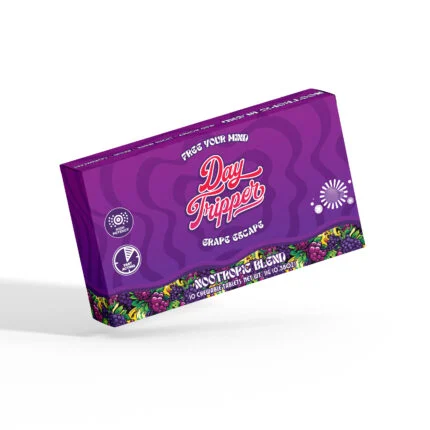
Many people exploring modern mushroom products often come across day tripper mushroom tabs. These products are typically described as compact, portioned formats designed for convenience and portability. As new delivery methods continue to appear, understanding day tripper mushroom tabs helps clarify how they compare to more familiar edible products like chocolates and gummies.
Because format plays an important role in how products are processed by the body, researchers and consumers often compare tabs with traditional edible forms.
What Are Day Tripper Mushroom Tabs?
Day tripper mushroom tabs are usually small, pre-portioned units designed to deliver mushroom-derived compounds in a simple format. Unlike chocolates or gummies, tabs focus on compact delivery and ease of use.
Manufacturers may design these products to:
- provide consistent portion sizes
- improve portability
- simplify consumption
- offer an alternative to edible formats
Since formats vary between products, composition and absorption methods may differ.
For a comparison with traditional edibles, see Do Mushroom Chocolates Feel Different From Raw Mushrooms?
How Tabs Compare to Edible Formats
Traditional edibles such as chocolates and gummies pass through the digestive system before absorption. As a result, digestion influences how quickly compounds are processed.
Tabs may be discussed alongside edibles because both formats aim to deliver controlled portions. However, the way the body processes each format can vary depending on the product design.
To understand edible timing better, read How Long Do Psilocybin Edibles Last?
Microdosing and Portion Control
Discussions about day tripper mushroom tabs often connect with microdosing. Microdosing refers to taking very small amounts of a compound rather than a full quantity.
Because portion control is important in microdosing, compact formats such as tabs are often mentioned in these conversations.
For more context, see fusion mushroom gummies
Timing and Absorption Considerations
Different formats can influence how quickly compounds are processed. Edible products typically take longer to produce noticeable effects because they must pass through digestion first.
Several factors affect timing, including metabolism, stomach contents, and individual biology.
To understand this process further, see Who Should Not Take Psilocybin?
Why Researchers Study Mushroom Formats
Scientists continue studying how different delivery formats affect absorption, brain interaction, and perception. Research focuses on how compounds interact with neural pathways and cognitive processes.
If you want to explore peer-reviewed studies on psilocybin absorption and delivery methods, you can review scientific publications that examine how format influences bioavailability.