If you’re wondering how to handle a challenging psychedelic experience, the most important thing to know is this: it’s usually temporary, and how you respond can significantly change the outcome. Even intense or uncomfortable moments can be managed—and sometimes even turned into meaningful insights—with the right approach.
Understanding how to handle a challenging psychedelic experience starts with knowing what’s happening in your body, what to expect, and how to stay grounded when things feel overwhelming.
Why Challenging Experiences Happen
Psychedelic experiences can become difficult for several reasons:
- taking more than your comfort level
- being in an unfamiliar or stressful environment
- unresolved thoughts or emotions surfacing
- physical discomfort or fatigue
Because these experiences amplify perception and awareness, even small stressors can feel much bigger than usual.
Timing and Intensity: What Your Body Is Going Through
If you’ve taken an edible form like mushroom chocolate or gummies, the timeline matters a lot.
Onset
Usually 20 to 60 minutes, depending on digestion.
Peak
Around 1.5 to 3 hours, where emotions and perception can feel most intense.
Duration
Typically 4 to 6 hours, sometimes longer depending on dose.
Understanding this helps you stay grounded. If you’re at the peak, remind yourself: it will pass. Products with layered formulations, like those explained in mmelt mushroom chocolate ingredients, can sometimes influence how smooth or intense the experience feels.
What a Challenging Experience Feels Like
A difficult experience can show up in different ways:
- racing or looping thoughts
- anxiety or fear
- feeling disconnected or overwhelmed
- heightened sensitivity to surroundings
Physically, you might notice increased heart rate or body awareness, which can amplify the emotional side of the experience.
Real-World Experience: What People Go Through
In real situations, people often describe:
- feeling like time is moving slowly
- struggling to “let go” of control
- becoming hyper-aware of internal thoughts
The key difference between a bad experience and a manageable one often comes down to how you respond in the moment.
What Helps in the Moment (Practical Techniques)
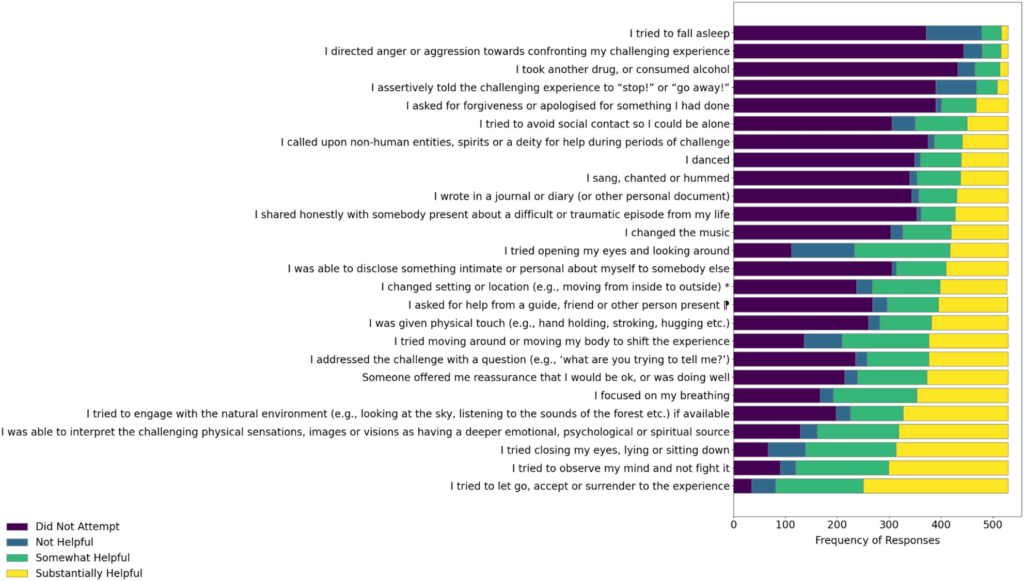
If you’re actively going through a difficult experience, focus on simple, grounding actions:
- remind yourself: “this is temporary”
- change your environment (lighting, music, space)
- take slow, controlled breaths
- sit or lie down in a comfortable position
- avoid fighting the experience—observe instead
Even small adjustments can significantly reduce intensity.
Pros and Cons of Challenging Experiences
Potential positives
- can lead to deep personal insight
- may help process emotions
- often becomes meaningful in hindsight
Difficult aspects
- uncomfortable or overwhelming in the moment
- can feel out of control
- may cause temporary anxiety
While difficult, these experiences are not always negative in the long run.
Safety and Responsible Use
The best way to handle a challenging experience is to reduce the chances of it happening in the first place.
Key practices:
- start with a low amount
- choose a safe and familiar setting
- avoid mixing substances
- have a trusted person nearby if possible
Mixing substances can increase unpredictability. For example, combining with alcohol can complicate the experience, as discussed in Can You Mix Psilocybin With Alcohol?
Sleep and timing also matter. Taking edibles too late can make it harder to relax afterward, which is explained in Can You Sleep After Taking Mushroom Chocolate?
Gummies vs Chocolate: Does Format Affect Intensity?
The format doesn’t change the core effects, but it affects how predictable the experience is.
Gummies
- easier to dose precisely
- more controlled intake
Chocolate
- smoother onset for some
- easier to consume gradually
Understanding how chocolate works as a delivery system can help you prepare better. You can explore this further in What Does a Mushroom Chocolate Experience Feel Like
FAQs
How long does a challenging experience last?
Usually during the peak phase (1.5–3 hours), though the full experience may last 4–6 hours.
Can you stop a bad trip?
You can’t instantly stop it, but you can reduce intensity by changing your environment and mindset.
Does breathing help?
Yes. Slow breathing can calm both the mind and body.
Should you fight the experience?
No. Resisting often increases discomfort—acceptance usually helps.
Can environment make a difference?
Absolutely. A calm, safe setting can significantly reduce intensity.
Is it dangerous?
Most challenging experiences are temporary, but preparation and responsible use are important.
Final Thoughts
Knowing how to handle a challenging psychedelic experience gives you control in situations that might otherwise feel overwhelming. The key is preparation, awareness, and the ability to stay grounded when things become intense.
Even difficult moments can pass—and sometimes lead to valuable insight—if you approach them with the right mindset.
For a deeper understanding of how psychedelics affect the brain and emotional processing, you can explore clinical research on psychedelic experiences and emotional regulation to see how these experiences are studied scientifically.