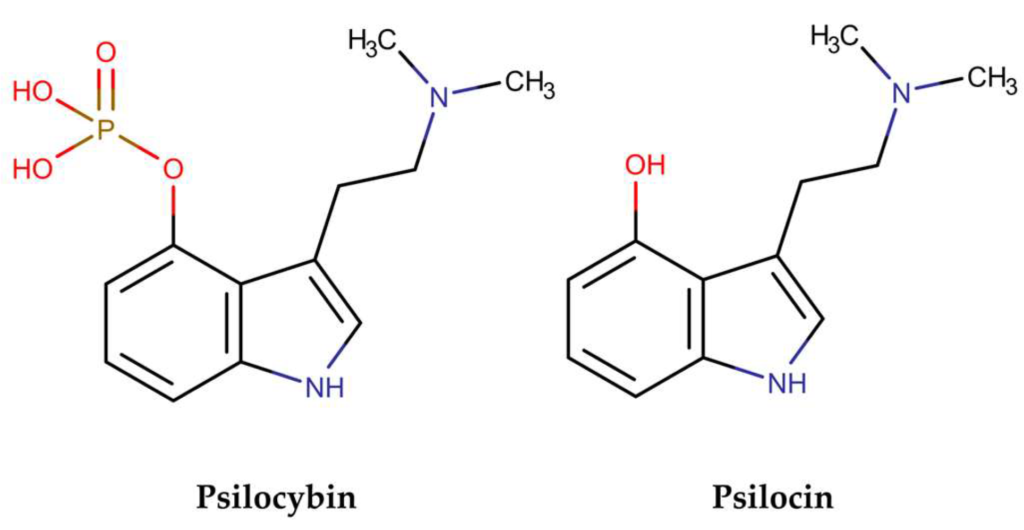
Many people researching psychedelic mushrooms often ask what is the difference between psilocybin and psilocin. These two compounds are closely related and appear naturally in certain mushroom species. However, they play different roles in how the body processes these substances.
Understanding the difference between psilocybin and psilocin helps explain how the body converts one compound into another and why researchers study both in neuroscience.
What Is Psilocybin?
Psilocybin is a naturally occurring compound found in certain mushroom species. Scientists classify it as a prodrug, which means the body converts it into another active compound after ingestion.
When someone consumes psilocybin-containing mushrooms, the digestive system breaks down the compound and converts it into psilocin. Because of this process, psilocybin itself does not directly produce the primary effects.
Researchers continue studying psilocybin to better understand how it interacts with brain chemistry.
You can learn more about how the brain responds to these compounds in How Does Psilocybin Affect the Brain?
What Is Psilocin?
Psilocin is the compound that forms when the body metabolizes psilocybin. After conversion, psilocin interacts with serotonin receptors in the brain.
In particular, psilocin interacts with receptors such as the 5-HT2A receptor, which influences perception and neural communication.
Because psilocin directly interacts with brain receptors, scientists consider it the active compound responsible for most neurological effects associated with psilocybin-containing mushrooms.
To understand the receptor involved, see What Is the 5-HT2A Receptor?
How Psilocybin Converts Into Psilocin
After ingestion, enzymes in the digestive system remove a phosphate group from psilocybin. This chemical process converts psilocybin into psilocin.
Once conversion occurs, psilocin can enter the bloodstream and interact with the brain.
Because digestion plays a role in this process, onset timing may vary depending on several factors such as metabolism, stomach contents, and individual biology.
For example, edible products may take longer to process through digestion. You can learn more in How Long Do Mushroom Chocolates Take to Kick In?
Why Researchers Study Both Compounds
Scientists study both psilocybin and psilocin to understand how the brain processes neurotransmitters and sensory perception.
Research focuses on areas such as:
- serotonin receptor interaction
- neural network communication
- perception and cognition
- brain connectivity
Modern neuroscience research institutions, including Johns Hopkins University, continue exploring how these compounds interact with brain systems.
Peer-reviewed studies can also be explored through:
https://pubmed.ncbi.nlm.nih.gov/
Key Differences Between Psilocybin and Psilocin
Although the compounds are closely related, they have distinct roles in the body.
Psilocybin:
- occurs naturally in certain mushrooms
- converts into psilocin during digestion
- functions as a precursor compound
Psilocin:
- forms after psilocybin metabolism
- interacts directly with serotonin receptors
- influences neural signaling in the brain
Because of this relationship, scientists often study both compounds together when examining brain chemistry.
Frequently Asked Questions
What Exactly is the difference between psilocybin and psilocin?
Psilocybin is a precursor compound found in certain mushrooms. The body converts it into psilocin, which then interacts with serotonin receptors in the brain.
Which compound affects the brain directly?
Psilocin interacts directly with serotonin receptors after the body converts psilocybin during digestion.
Why does the body convert psilocybin into psilocin?
The conversion process allows the compound to become biologically active so it can interact with brain receptors.