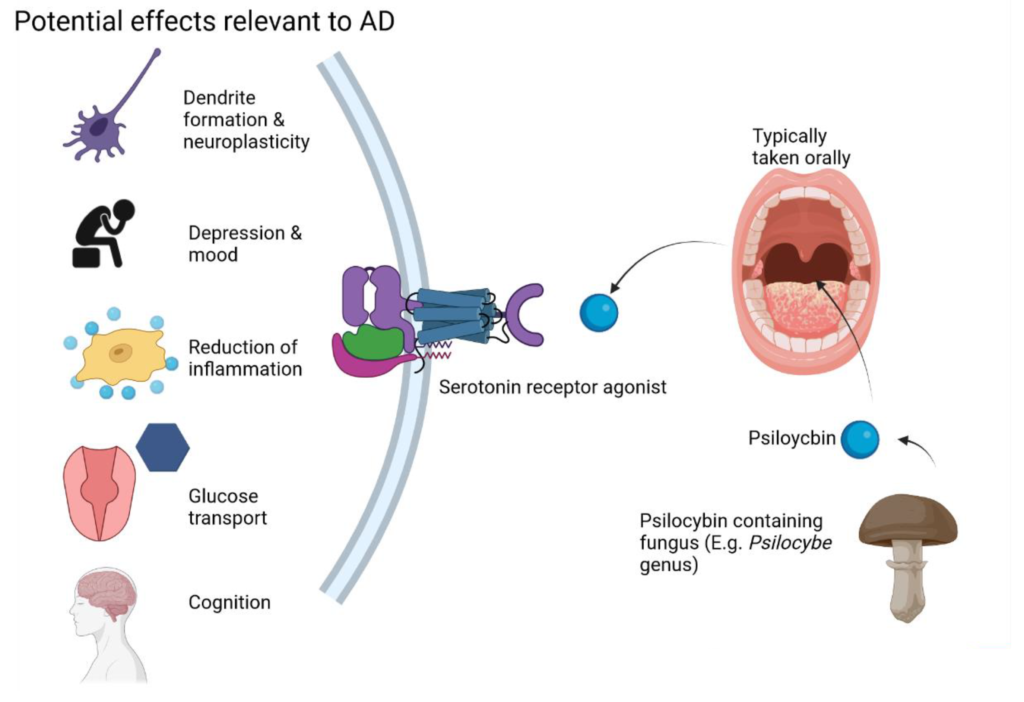
Many readers ask what is neuroplasticity and how is it linked to psilocybin. Neuroplasticity refers to the brain’s ability to adapt, reorganize, and form new neural connections throughout life. This natural process plays an essential role in learning, memory formation, and cognitive development.
Researchers studying brain science often explore how different compounds interact with neural systems that influence plasticity. Understanding neuroplasticity helps explain how the brain changes in response to experiences, learning, and environmental factors.
What Is Neuroplasticity?
Neuroplasticity is the brain’s capacity to change its structure and function by forming new neural connections. Instead of remaining fixed, the brain constantly adapts as people learn new information, develop skills, and experience different environments.
Several factors influence neuroplasticity, including:
- learning and education
- new experiences
- physical activity
- emotional processing
Because neural connections can strengthen or weaken over time, the brain remains capable of adapting throughout life.
How the Brain Forms New Neural Connections
Neurons communicate through electrical and chemical signals. When people learn something new or repeat certain behaviors, these neural pathways become stronger.
Over time, repeated activation of these pathways helps reinforce communication between neurons. As a result, the brain becomes more efficient at processing information.
Scientists often study neurotransmitters such as serotonin when examining how neural signaling influences brain activity. You can explore this topic further in How Does Psilocybin Affect the Brain?
Why Neuroplasticity Matters for Learning
Neuroplasticity plays a central role in learning and memory. When the brain forms new connections, it can store information more efficiently and adapt to new situations.
This process helps support:
- language learning
- skill development
- memory formation
- emotional adaptation
Because the brain remains adaptable, neuroplasticity allows individuals to continue learning throughout their lives.
The Link Between Neuroplasticity and Brain Research
Scientists studying the brain often examine how neurotransmitter systems influence neural connections. In particular, researchers investigate serotonin receptors that regulate communication between brain regions.
One receptor frequently discussed in neuroscience research is the 5-HT2A receptor, which plays a role in perception and neural signaling.
You can learn more about this receptor in What Is the 5-HT2A Receptor?
Why Researchers Study Neuroplasticity
Neuroscientists study neuroplasticity to understand how the brain adapts to experiences and environmental changes. Advances in brain imaging technologies allow researchers to observe neural activity and connectivity more clearly.
Universities such as Johns Hopkins University continue researching how neural networks influence cognition, perception, and emotional processing.
Peer-reviewed research on neuroplasticity can also be explored through:
https://pubmed.ncbi.nlm.nih.gov/
Neuroplasticity and Ongoing Scientific Research
Modern neuroscience continues exploring how neural connections change in response to different experiences. Scientists investigate how learning, environment, and brain chemistry interact to shape neural pathways.
Because neuroplasticity influences many aspects of cognition and behavior, it remains a central concept in neuroscience research.
Frequently Asked Questions
What is neuroplasticity?
Neuroplasticity is the brain’s ability to reorganize and form new neural connections throughout life.
Why is neuroplasticity important?
It allows the brain to adapt, learn new skills, form memories, and adjust to changing environments.
How do scientists study neuroplasticity?
Researchers use brain imaging, neuroscience experiments, and biochemical analysis to observe how neural pathways form and change.