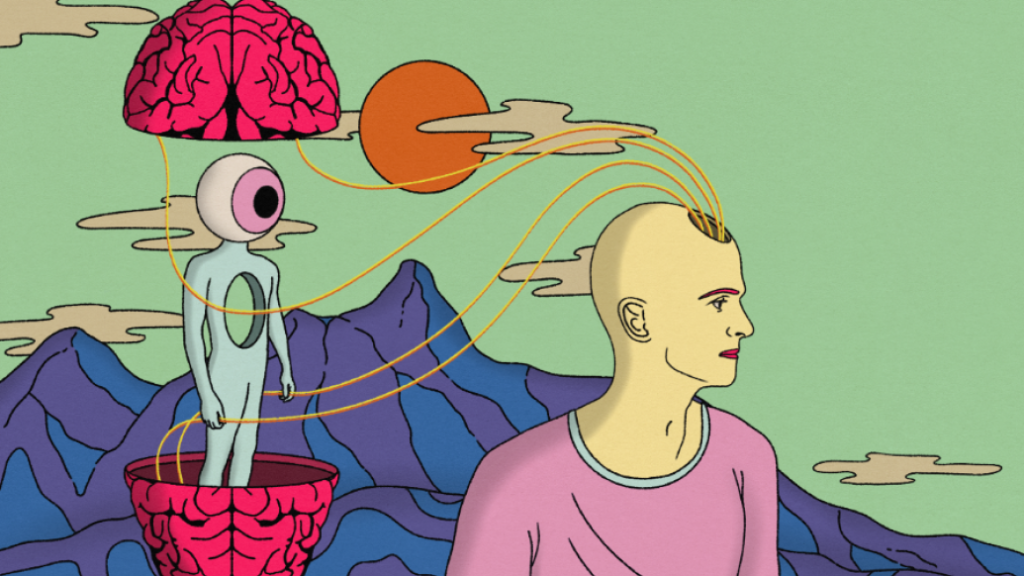
Many people studying psychedelic science ask how does psilocybin change perception. Psilocybin is a naturally occurring compound found in certain mushroom species. When consumed, the body converts psilocybin into psilocin, which interacts with serotonin receptors in the brain. Because these receptors play an important role in sensory processing, researchers study how psilocybin influences the way the brain interprets information.
Understanding how psilocybin changes perception helps scientists explore how brain networks influence consciousness, sensory experience, and cognitive processing.
How Psilocybin Interacts With the Brain
After ingestion, psilocybin is converted into psilocin in the body. Psilocin then interacts with serotonin receptors, particularly the 5-HT2A receptor, which plays an important role in regulating mood, perception, and cognition.
This interaction changes communication between neurons. As a result, brain regions that normally process information separately may begin interacting more strongly with each other.
You can learn more about this receptor in What Is the 5-HT2A Receptor?
Changes in Sensory Processing
One reason scientists ask how psilocybin changes perception is because the compound can influence how sensory information is processed. Vision, sound, and emotional interpretation can all be affected by changes in neural communication.
Researchers studying brain activity have observed that psilocybin may alter activity in networks involved in attention and sensory interpretation. Because the brain processes sensory signals through complex neural pathways, small changes in signaling can influence how those signals are interpreted.
For a broader explanation of how psilocybin interacts with the brain, see How Does Psilocybin Affect the Brain?
The Role of Brain Networks
Scientists often examine how psilocybin influences large-scale brain networks. One network frequently discussed in neuroscience is the default mode network (DMN), which is associated with self-reflection and internal thought.
Some research suggests that changes in communication within this network may influence perception and awareness. Because brain networks coordinate many cognitive functions, changes in network activity can affect how information is integrated across different regions of the brain.
Perception and Neuroplasticity
Researchers also explore whether psilocybin influences neuroplasticity, the brain’s ability to form new neural connections. Neuroplasticity plays a major role in learning, memory, and adaptation.
Changes in neural signaling may influence how brain circuits reorganize over time. This is why neuroscientists often study psilocybin when investigating how perception and cognition interact.
For a deeper explanation, see What Is Neuroplasticity and How Is It Linked to Psilocybin?
Why Scientists Continue Studying Perception
Understanding how psilocybin changes perception may help researchers learn more about consciousness and sensory processing. Modern neuroscience tools allow scientists to study brain activity, neural connectivity, and communication between brain regions.
Institutions such as Johns Hopkins University continue investigating how psychedelic compounds influence brain networks and cognitive processes.